Technical Diagnostics Advancement: Next Generation of Auto Repair Solutions
Regarding vehicle servicing, technical diagnostics require specialized knowledge and accuracy to effectively diagnose vehicle issues. Initially employ diagnostic scanning tools to extract error codes for immediate evaluation. These trouble codes help professionals identify probable malfunctions, while implementing a methodical Eight-Step Diagnostic Process maintains comprehensive analysis. Verify system readings with factory specifications and carefully record each step. Before and after scanning remain essential for ensuring proper fixes and safety requirements. Including Technical Service Bulletins (TSBs) optimizes repair procedures with updated manufacturer guidance. By maintaining thorough reports and effective customer updates, you'll be well prepared for implementing comprehensive troubleshooting strategies. Explore techniques to optimize these processes.
Essential Points
- Contemporary diagnostic systems employ electronic diagnostic equipment to detect and evaluate car malfunctions through DTCs.
- The 8-Step Diagnostic Methodology guarantees comprehensive and methodical automotive diagnosis and maintenance.
- Pre-scan and post-scan processes confirm component performance and enhance maintenance precision and reporting.
- Service bulletins offer OEM recommendations for fixing particular automotive problems.
- Regular software updates address protection requirements and improve ADAS features.
Mastering Modern Vehicle Diagnostics
In the realm of comprehending modern vehicle diagnostics, it's vital to acknowledge the complex combination of modern systems and traditional inspection methods that shape the process.
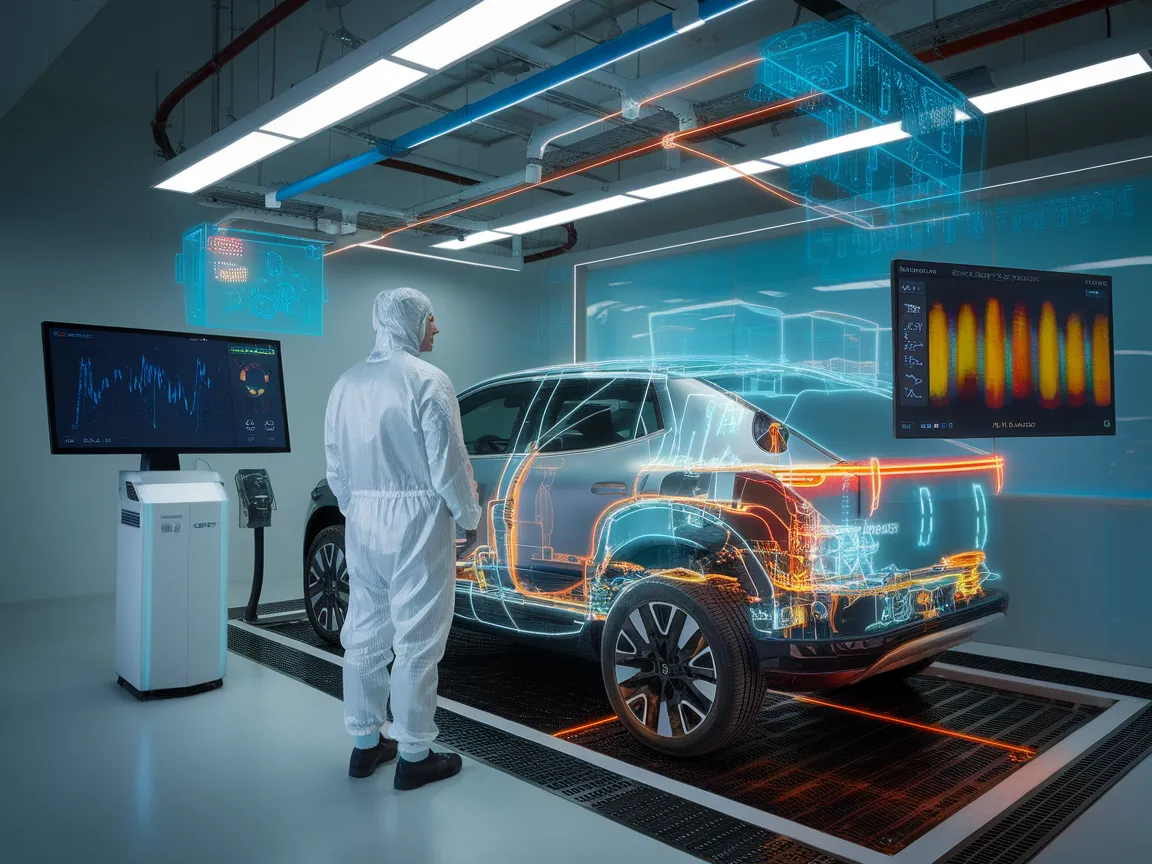
You'll find that the core of diagnostics revolves around advanced tools like OBD-II scanners. These devices communicate directly with your vehicle's computerized systems, offering real-time data monitoring, component testing features, and even module programming functionality. They differ from simple diagnostic tools to professional-grade equipment capable of detailed analysis.
Mastering Diagnostic Trouble Codes (DTCs) plays a vital role. Each DTC provides specific details about your vehicle's issues. The first character indicates the affected system, such as the Powertrain or Body. The second digit tells you if the code is standard or maker-specific, while the remaining digits locate the specific issue and area.
Always consider the importance of visual inspection, which enhances electronic diagnostics. Inspecting for visible issues, fluid conditions, and component wear can verify electronic findings and identify additional issues.
This integration guarantees a comprehensive diagnostic approach, enabling you to detect problems correctly and swiftly. By integrating these methods and tools, you effectively harness the entire scope of modern vehicle diagnostics to achieve ideal vehicle performance.
Advanced Diagnostic Procedures and Best Practices
To successfully navigate the intricacies of vehicle diagnostics, you'll want to adhere to the Eight-Step Diagnostic Process, ensuring complete pre-scan and post-scan operations.
Integrate Technical Service Bulletins (TSBs) to retrieve manufacturer-specific solutions, while meticulous documentation and record keeping optimize future reference.
Maintain clear customer communication to set realistic expectations and provide transparent updates on maintenance developments.
The Eight-Step Diagnostic Approach
Initiating the comprehensive diagnostic methodology ensures an organized and thorough approach to automotive troubleshooting.
First, confirm the problem by speaking to the client and recording exact problems, operating conditions, and if the problem happens with a warm or cold engine. A visual inspection proceeds, where you assess systems, past service work, and verify essential systems and fluid levels.
Subsequently, connect diagnostic equipment to retrieve fault codes, examining patterns and frequencies for information. Remember to review service bulletins; they provide valuable information on documented problems, manufacturer recalls, and service notices.
Analyze scan tool data by monitoring real-time streams and comparing them with manufacturer specifications, identifying any unusual values. This assessment allows you to pinpoint the problem, identifying it to a specific system and determining problematic parts.
Perform repairs, adhering to manufacturer guidelines. It's essential to tackle the source problem, not just the effect, making sure you repair components as required.
Finally, confirm the repair by test-driving the vehicle, checking for new issues, clearing codes, and confirming all systems are working properly.
Document each phase, from starting conditions to end results, and keep clear interaction with the client throughout the diagnostic journey.

The Critical Role of Pre and Post Scanning
Understanding the importance of pre-scan and post-scan processes in contemporary vehicle repair is essential for ensuring both safety and repair quality. A pre-scan diagnostic serves as your first line of defense, examining electronic systems to identify existing concerns, fault codes, and concealed damage that cannot be visible during a visual inspection. This comprehensive assessment helps you to identify safety system problems and interconnected component complications, providing a guide for efficient repairs.
Once the repair work is finished, a post-scan verification is essential. It confirms that all systems are working correctly and verifies that no new issues have arisen. This process doesn't just verify the success of the repair; it records system functionality and ensures proper calibration, offering a clear confirmation of repair completion.
Including these scans into your workflow improves safety verification by verifying that all electronic systems, vital for modern vehicle operation, are working as intended. It also simplifies insurance claims management, offering faster approval and more exact repair estimates.
Implementation of Technical Service Bulletins (TSBs)
In the field of automotive repair, implementing Technical Service Bulletins (TSBs) within your diagnostic process is crucial for accurate and streamlined troubleshooting. TSBs serve as vital resources, providing manufacturer-issued directions for addressing non-safety-related vehicle issues influencing performance and customer satisfaction.
Start by conducting a thorough review of relevant TSBs before commencing diagnostic work. This ensures you're equipped with factory-provided knowledge about common issues.
Using current diagnostic tools, which smoothly include TSBs, will streamline your troubleshooting process. As soon as you access diagnostic trouble codes, these platforms allow you to access applicable bulletins, preventing trial-and-error approaches.
Ensure you conform precisely to the manufacturer-recommended repair procedures detailed in the TSBs. This exactness ensures that repairs meet the highest standards and foster consistent quality.
Experience shows that integrating TSBs decreases your diagnostic time substantially, as they supply consistent repair methods and required equipment and components. This not merely enhances technician productivity but also elevates overall customer satisfaction.
Record Keeping and Documentation
Proper documentation and record-keeping in vehicle servicing plays a crucial role in ensuring quality service and ensuring legal compliance. Initially, you need to carefully document automotive data such as the vehicle identification number, manufacturer, model, and odometer reading.
Record customer details and vehicle history to create a comprehensive profile. During repairs, document every diagnostic procedure conducted, along with diagnostic findings and error codes.
Document precisely components serviced or replaced and service procedures completed. It's essential to log significant points to document the repair progress accurately.
Deploy digital documentation systems with dedicated repair order software to streamline record-keeping. Electronic inspection sheets and electronic storage for scan tool reports enhance productivity and information safety.
Regularly update backup systems to avoid data loss. For regulatory requirements, keep full service records for at least 15 months, containing client authorizations and refused services.
Both digital and physical copies may be required, based on legal requirements.
Customer Communication Guidelines
To effectively navigate the intricacies of customer communication in auto repair diagnostics, create a comprehensive protocol that ensures clarity and precision.
Start with the initial interaction: practice active listening and establish eye contact while collecting comprehensive data about the automotive concerns. Describe diagnostics in straightforward, everyday language to ensure customers understand the process and remain updated.
Record-keeping is essential. Create thorough records of vehicle concerns, distinguish between required and optional repairs, and present comprehensive estimates covering parts, labor, and timelines.
Obtain written approval for all repairs and thoroughly document customer decisions, including insurance confirmations.
Translate complex technical specifications into simple language, steering clear of jargon and acronyms. This creates trust and assists customers in making educated decisions.
Leverage digital tools by providing digital inspections, text updates, and online payments, boosting transparency and convenience.
Maintain customers informed with consistent status updates, immediate notifications of new issues, and precise timelines.
Institute quality assurance through methodical inspections and final checks before delivery.
Following completion, provide detailed documentation of repairs, future maintenance suggestions, and warranty information.
Collect feedback through surveys and follow-up communications to refine services. Regular communication promotes satisfaction and loyalty, driving long-term success.
Cutting-Edge Diagnostic Methods and Technologies
Transforming our approach to vehicle maintenance, cutting-edge diagnostic technologies are revolutionizing the field of auto repairs. Welcome the future with AI-powered systems that slash diagnostic time by up to 90%. By utilizing predictive analytics, you can forecast potential failures through thorough sensor data analysis.
AI-powered visual recognition systems facilitate precise damage assessment, while advanced learning systems process extensive vehicle data for pinpoint accuracy. Cloud-enabled diagnostic systems offer centralized data management across vehicle fleets. This solution supports automated diagnostics and instant anomaly detection, enhancing vehicle performance and reducing downtime.
Remote diagnostics enable you to evaluate vehicle health without physical inspection, delivering real-time ECU data access, instant fault detection, and preventative maintenance, all while enhancing customer support through remote assistance. Vehicle connectivity and continuous monitoring monitor vehicle performance.
These systems constantly track health metrics, enhance maintenance schedules, and monitor driver behavior using satellite-based tracking. However, obstacles continue, such as managing underdiagnosis with too aggressive approaches and the intricacy of error accuracy. As you integrate these advancements, you're going beyond problem-solving—you're advancing automotive excellence.
ADAS & Contemporary Vehicle Systems
When working on vehicles equipped with ADAS, you must complete both dynamic and static calibration to guarantee accurate camera and radar system diagnostics.
Keep track of newest software updates and programming to preserve precision of vehicle safety features and adhere to warranty requirements.
Comprehensive logging of these processes is essential for warranty compliance and proper safety system verification.
Comparing Static and Dynamic Calibration Methods
An essential element of driver assistance systems is maintaining precise calibration, which is achieved through both static and dynamic methods.
The static calibration process is performed with the vehicle immobile, typically in a specialized workspace like a workshop. The process demands a level surface, proper illumination, and specific calibration equipment. This approach offers high precision, but it requires a specialized facility and tends to be time-consuming. It's more rigid and incurs higher facility costs but guarantees consistent results, not influenced by weather.
In contrast, the dynamic method, or on-road calibration, is performed while the vehicle is in motion. This method requires clear weather, visible road markings, and controlled driving speeds. You'll benefit from its flexibility, as it tests the system in actual driving situations and needs less specialized equipment. However, it is greatly influenced by weather and road conditions, and the results can vary.
Selecting from these methods hinges on automotive specifications, manufacturer requirements, and your service center's capacity. In many cases, both calibrations are necessary to maintain ideal ADAS performance, especially after services like glass installations or wheel alignments.
Each method requires professional expertise and needs to be handled carefully to maintain system integrity.
Camera and Radar System Diagnostics
Advanced driver assistance systems demand thorough assessment of vision and radar components for flawless operation.
Start by conducting examining sensors visually to identify any blockages or damage. You must scan for diagnostic trouble codes that may indicate system malfunctions or misalignment. Confirm each component's positioning based on OEM requirements.
Vision systems are essential for detecting objects, lanes, and signs, but face certain limitations. Challenging environmental conditions could affect functionality, along with contaminated optics or insufficient lighting can hinder operation. Address these issues through regular cleaning and maintenance.
Radar technology uses radio waves to determining object position and speed. These systems perform well in adverse conditions, but may experience interference from various sources. Pay special attention to alignment changes.
To ensure accurate assessment, implement multiple calibration methods using proper tools. Road testing confirms correct functionality on the road.
Maintain proper manufacturer training and use appropriate diagnostic tools. Routine upkeep involving alignment confirmation and sensor cleaning remains crucial to ensure sustained performance.
Automotive Software Systems and Updates
In today's evolving automotive landscape, maintaining current vehicle software is crucial for peak performance, especially regarding ADAS systems. Modern vehicles are complex entities equipped with over 100 million Professional Development and Training lines of code, making software updates and programming vital for peak operation. Software updates resolve security vulnerabilities, deliver feature enhancements, and improve ADAS functionalities.
You must handle these updates through secure protocols using encryption, maintaining compatibility across electronic control units. Remote updates optimize this process, allowing efficient integration of security patches and feature enhancements without requiring a service facility visit. Security validation procedures are vital to ensure that updates are authentic and compatible with your vehicle's systems.
The software architecture includes core stacks like software driven by timing for critical operations and user interaction software based on events. Understanding integration points, such as hardware abstraction layers and middleware components, is crucial for effective system diagnostics.
Real-time monitoring and error code identification improve diagnostic capabilities, while performance optimization and calibration management are essential for ensuring ADAS efficiency.
Verifying Safety Systems
Modern vehicles depend significantly on software to perform optimally, and maintaining system updates is just one part of the equation. You need to prioritize assessing the safety systems within ADAS and modern vehicle systems to guarantee optimal functionality.
ADAS incorporates powerful processors, sensor arrays, and actuators to enhance driving safety. Its essential systems include positioning systems, obstacle detection, and execution systems created to reduce incidents by decreasing human errors.
To validate these systems, begin with requirements-based testing. Define safety goals, validate functionality, and ensure all aspects are documented.
Then, implement scenario-based testing, modeling various traffic conditions and environmental factors to validate system responses.
For hardware, implement Hardware-in-the-Loop (HIL) testing, integrating real components to verify sensors and controllers. Augment this with computerized simulations, modeling real-world conditions for a comprehensive pre-deployment check.
Active safety features like automated braking systems and dynamic cruise systems require thorough validation.
Don't overlook non-active safety elements, such as warning systems and indicators, verifying they're dependable and functional.
Warranty Requirements and Record-Keeping
The effectiveness of warranty protection for ADAS-enabled vehicles depends heavily on detailed documentation. It's essential to guarantee that all ADAS-related service and repair is properly documented. Service records need to specify performed calibrations, parts replacement, and diagnostic steps. Before and after service diagnostic scans are essential, as they document your vehicle's state before and after repairs.
Due to ADAS system connectivity with core vehicle components like engine and brake systems, all repairs require special attention of system dependencies. Detailed calibration records is critical, as small adjustments can impact ADAS functionality, demanding accurate calibration.
Technical expertise constitute another crucial factor. Ensure that your repair center documents of staff qualifications specific to ADAS systems. Following manufacturer guidelines and using authorized equipment remains vital for preserving warranty validity.
For quality assurance, record system performance through computer-based diagnostics and, when appropriate, professional road tests. Record initial issues, test findings, repair authorizations, and final testing.
Preserve both digital and physical copies of all service records to function as verified records, safeguarding against potential warranty disputes and guaranteeing complete warranty administration.
Future Trends in Vehicle Diagnostics
Without a doubt, the future of automotive diagnostics is evolving through cutting-edge technologies that tackle the intricate problems of maintaining modern vehicles. AI-driven fault detection leads the way, offering real-time monitoring systems for parts performance and sophisticated analysis that detect issues prior to failure. These technologies facilitate automated diagnostic processes, securing preventive maintenance is both effective and streamlined.
Cloud-based solutions are revolutionizing remote diagnostics, allowing for integrated data handling. This enables complete fleet surveillance and analysis, improving maintenance schedules across multiple vehicles.
Concerning electric vehicles, specific diagnostic tools are necessary. Power system diagnostics, including power transfer evaluation and thermal management, is crucial to maintaining EV performance.
Connected car diagnostics additionally improve instant system assessment through connected systems, offering wireless software maintenance and efficient data communication.
Intelligent processing systems, including systematic error identification and natural language processing, provide advanced repair guidance, anticipating failures with precision.
New innovations like AR technology offer visual service support and live assistance. Advanced sensors improve data collection capabilities, establishing a proactive diagnostic ecosystem.
These advancements secure vehicles remain reliable, reducing operational expenses and interruptions.
Essential Diagnostic Instruments
Mastering fundamental diagnostic tools is vital for those engaged in modern vehicle servicing. Technicians must master diagnostic scanners and OBD-II tools, as these are the foundation of vehicle diagnostics.
Professional-grade scanners like the BlueDriver Bluetooth Pro OBDII, Autel MaxiCOM MK808, and TOPDON ArtiDiag800BT deliver thorough diagnostics and real-time monitoring. When cost is a consideration, basic code readers like affordable diagnostic tools still offer fundamental diagnostic features.
Take diagnostics further with digital oscilloscopes and multimeters, essential tools for evaluating electronic signals. Look for tools with bandwidth up to 100MHz, multi-channel functionality, and data logging features. Built-in waveform generators help system diagnostics productively.
Consider OEM diagnostic solutions. Solutions like AutoEnginuity's ScanTool and PCMSCAN allow for multi-manufacturer diagnostics, essential for modern vehicles. Moreover, precision calibration tools from Fluke Calibration and Tektronix guarantee accuracy in your diagnostics.
Keep your diagnostic tools consistently. Regular updates enhance vehicle coverage, address software issues, and improve diagnostic capabilities.
This methodical process, utilizing advanced tools and thorough diagnostics, will streamline repairs and promote proper vehicle maintenance.
Career Growth and Skill Enhancement
In the current field of automotive repair, staying ahead requires committing to continuous professional development and training. The field's requirements are evident: to stay current with advancing vehicle technologies, you must participate in ongoing education and skills enhancement. ASE certification maintains a standard, requiring recertification every five years through rigorous testing and documented experience.
Prioritize essential components like motor systems, drivetrain components, and complex electrical systems to develop your expertise.
Enhancing your technical proficiency involves perfecting troubleshooting skills, diagnostic procedures, and safe use of modern diagnostic equipment. Manufacturer-specific training programs are crucial, offering formal education, online courses, and field experience, all specialized for particular vehicle brands.
Qualifications for these programs typically demand a high school completion, formal automotive education, and a active copyright.
Utilize online resources such as automotive learning platforms and the ASE E-Learning Portal for adaptable learning options. Obtain technical documentation through platforms like industry-standard databases to stay informed on OEM repair procedures.
Certification and licensing are pathways to professional growth, with expert qualifications like Master Technician status highlighting your extensive expertise in automotive diagnostics and repairs.
Quality Control and Verification
The importance of quality control in auto repair services cannot be overstated, as it guarantees that every vehicle exits the service center in optimal condition.
Repair confirmation starts with a meticulous visual inspection to ensure that serviced parts match correctly and all parts are firmly attached. It's necessary to conduct operational checks, including functionality checks and vehicle operation checks, to validate repair effectiveness. Using diagnostic equipment is essential for validating operations.
Safety validation plays a critical role; a thorough safety verification process verifies all systems adhere to manufacturer standards.
Detailed documentation is fundamental to quality assurance. Digital Service Records should contain detailed media of repairs, utilize color-coded concern ranking, and incorporate detailed technician notes. Document all parts, procedures, and diagnostic outcomes to preserve a clear service history.
Customer education significantly impacts satisfaction. Thoroughly review repair procedures, using visual aids and providing preventive maintenance guidance. Guide customers through documentation, detail warranty coverage, and address any inquiries.
Guarantee adherence requires complying with manufacturer guidelines and using approved parts to preserve coverage.
Implement follow-up procedures with validation measures, obtain feedback, and keep detailed records to improve service consistency and consumer happiness.
Essential Questions Covered
How Can I Locate a Reliable Auto Mechanic in My Location?
Begin by investigating customer feedback and evaluations. Use services like Yelp or Google Maps. Confirm credentials such as ASE. Seek referrals from trusted sources. Make certain they provide diagnostic services. Review service guarantees and warranty coverage for customer protection.
Breaking Down the Financial Aspects Related to Vehicle System Analysis
When getting your vehicle diagnosed, you'll need to consider various costs like labor charges, equipment usage, and computer diagnostic charges. Standard system checks typically fall within fifty to one hundred fifty dollars, though more complex issues can lead to increased expenses. You should have your technician break down each charge, ensuring alignment with standard automotive diagnostic procedures.
How Often Should I Perform Diagnostic Testing for My Car?
Experts suggest performing a diagnostic test twice per year for ideal vehicle performance. Regularly check engine codes, sensor outputs, and system calibrations. This proactive approach helps detect developing concerns, facilitating prompt maintenance, lowering the probability of malfunctions, and maximizing vehicular efficiency.
Can I Conduct Basic Car Diagnostics at Home?
Yes, you can carry out basic diagnostic checks at home. Utilize an OBD2 reader to read error codes. Test battery voltage using a multimeter. Check all fluids with basic tools. These methods help identify possible concerns without professional tools.
Are Diagnostic Tests Covered In Insurance and Warranty Coverage?
You should review your coverage details for both warranty and insurance. Diagnostic tests are usually covered under warranty when considered part of required repairs, but insurance generally doesn't cover diagnostics unless specifically tied to an insurance-covered incident.
Key Takeaways
You've explored the intricacies of modern vehicle diagnostics, uncovering the importance of expert methodologies and cutting-edge technologies. By understanding ADAS and evolving vehicle systems, you're ready to handle future diagnostic challenges. Utilize advanced tools and maintain refining your skills through professional development. Emphasize quality control and verification to ensure precise outcomes. As the automotive landscape evolves, your focus on mastering diagnostic techniques will enable you to resolve challenges competently and safeguard vehicle integrity.
Related sources: https://www.nhtsa.gov/vehicle-safety/automated-vehicles-safety